
Guides
Best Air Quality Monitors of 2026: Radon, CO2 and PM2.5 Picks
Seven current home air quality monitors, picked on the sensors manufacturers actually document: true NDIR CO2, laser PM2.5 counters and radon.
12 min read
Independent air purifier & humidifier guides · specs checked against AHAM, CARB and ENERGY STAR
In-depth articles and practical tips
Indoor air quality guides: how to improve the air at home, why your house gets so dusty, HEPA vs carbon filters, MERV ratings and CADR, humidity and condensation, and what air purifiers cost to run.
Guides
Seven current home air quality monitors, picked on the sensors manufacturers actually document: true NDIR CO2, laser PM2.5 counters and radon.
12 min read

Guides
129 sourced statistics on indoor air, radon, asthma, wildfire smoke and air purifier use, each linked to the page it came from.
36 min read
Guides
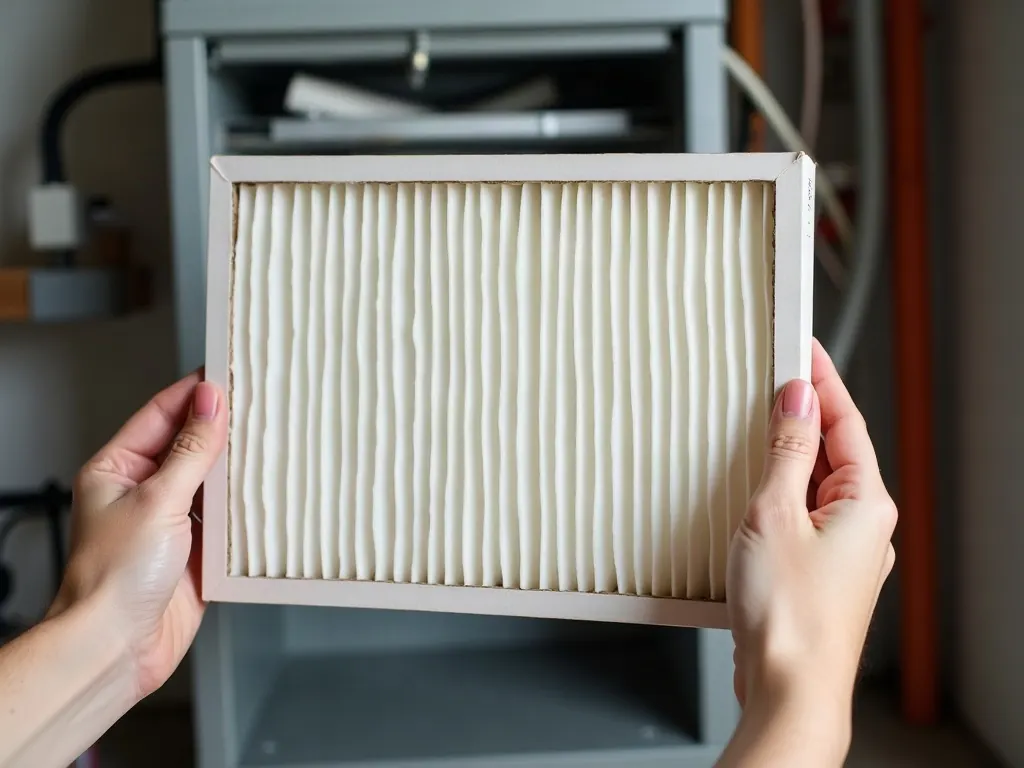
Six furnace filters chosen on published ratings and airflow data, plus how to tell if MERV 13 is too much for your system and how to buy the right size.
12 min read
Guides
Water on the inside of your windows means the glass is colder than the room air's dew point. When it's normal, when humidity is too high and how to fix it.
7 min read
Guides
Not much. Most current purifiers draw under 80 W even on top speed, so running one 24/7 costs roughly $10 to $125 a year at the US average rate.
7 min read
Guides
Dust mites live on moisture from the air. Keeping indoor humidity below 50% is the best-supported way to cut their numbers; here's how to get there.
6 min read
Guides
Run it whenever you're in the room, ideally all the time on Auto or low. A well-sized unit clears a closed room in about 30 to 40 minutes on high.
7 min read
Guides
Measure first, then vent moisture outdoors, run the AC or a dehumidifier and cut indoor moisture sources until humidity stays between 30% and 50%.
7 min read
Guides
A MERV rating chart built from ASHRAE 52.2 minimums, plus how MERV compares with HEPA and MPR, which rating suits smoke, allergies and pets, and when your HVAC can't take it.
7 min read
Guides
CADR is how many cubic feet of particle-free air a purifier delivers per minute. Here's how AHAM tests it, how to size a room with it, and what it can't tell you.
7 min read
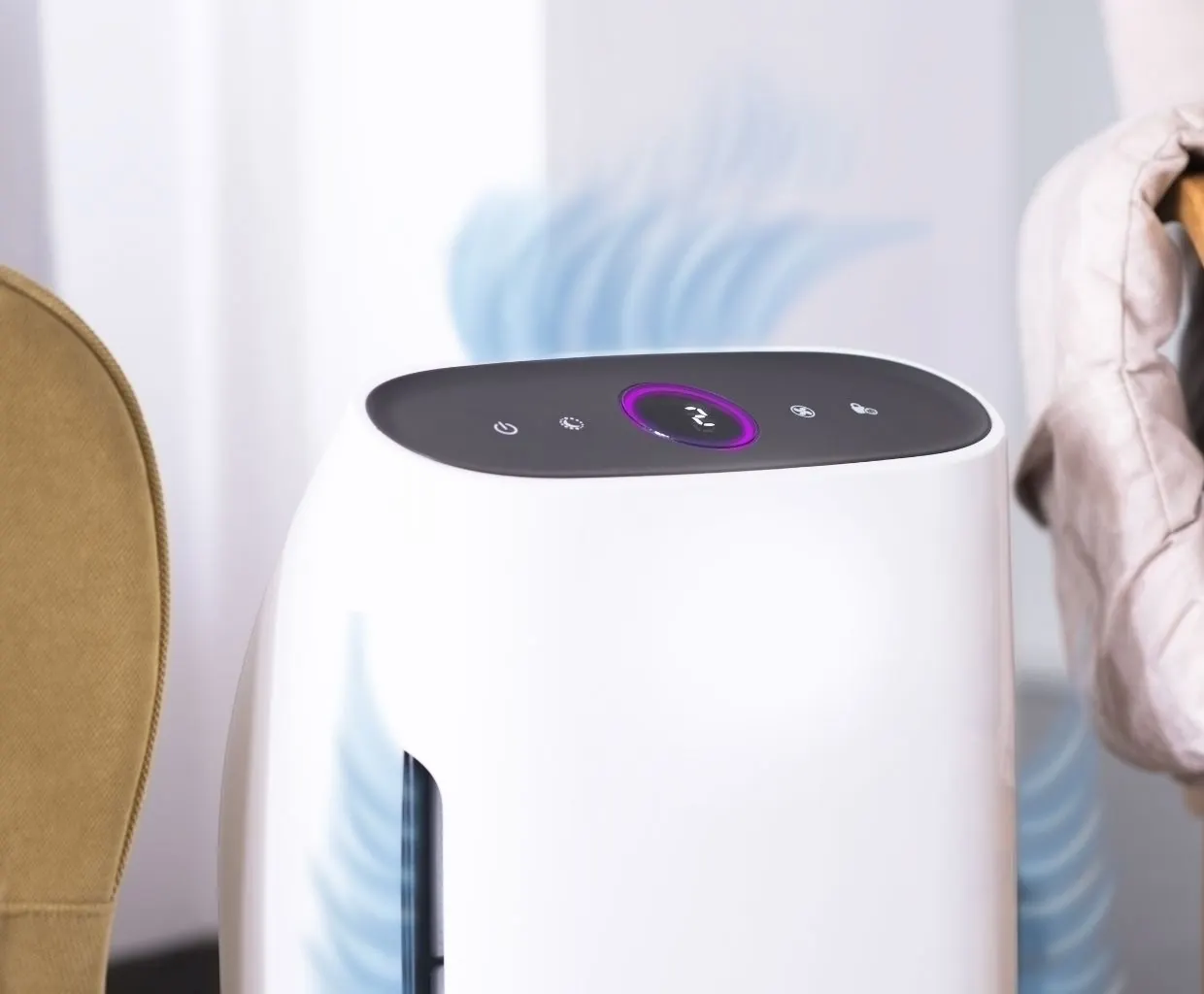
Guides
Close up the house, set up one cleaner air room and run a CARB-certified air purifier sized for smoke on high. Here's EPA's plan, step by step.
7 min read
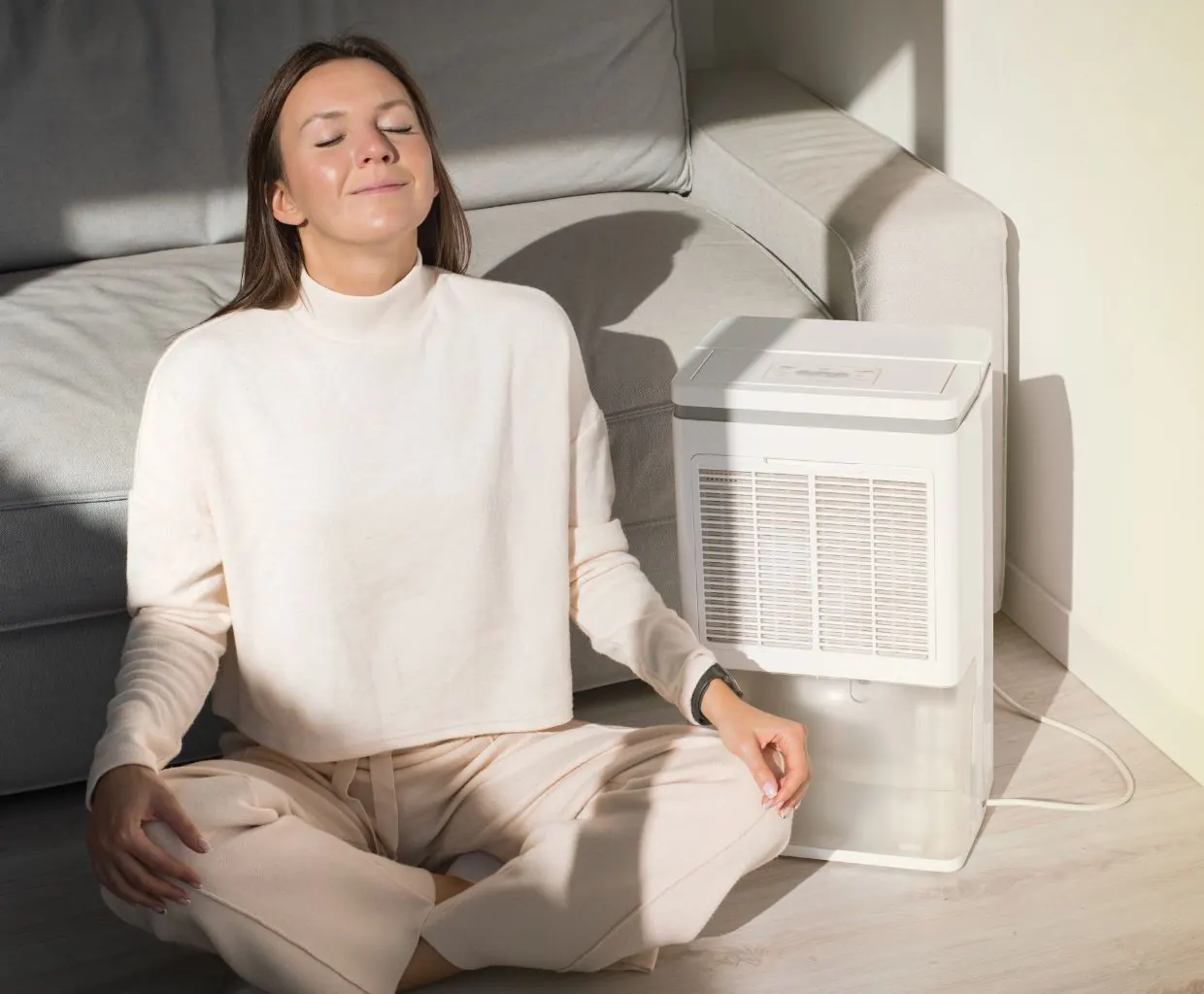
Guides
An air purifier filters particles; a dehumidifier pulls moisture out of the air. Here's which one helps with mold, allergies and damp basements, and when you need both.
6 min read
Most indoor air problems come down to a handful of causes: too many particles, gases and odors that build up, the wrong humidity, or not enough fresh air. The guides in this section explain how each works and what actually fixes it, so you can spend money on the right solution, or none at all. Everything here is drawn from EPA, CDC and AHAM material and manufacturer documentation, not from product testing; how we research has the details.
| What you notice | Likely cause | Where to start |
|---|---|---|
| Dust settles quickly | Dirty or bypassed HVAC filter, leaks, textiles, pets | Why is my house so dusty |
| Windows stream with water | Indoor humidity above what cold glass can handle | Condensation on windows |
| Musty smell, damp basement | Humidity above 60%, moisture getting in | How to reduce humidity in the house |
| Allergies worse at home | Dust mites, pollen, dander | Dust mites and humidity |
| Smoke outside | Wildfire smoke leaking indoors | Wildfire smoke indoors |
| Lingering odors | Gases that HEPA can’t catch | HEPA vs carbon filter |
The EPA says the most effective and economical approach is usually to reduce or remove the sources first, then exhaust unavoidable particles, gases and excess moisture to the outdoors, and only then to clean the air with filters. Our guide on how to improve indoor air quality walks through all three, including testing for radon and carbon dioxide. If dust is your main complaint, why is my house so dusty traces the usual causes, from the HVAC filter to dry air. Houseplants won’t clean a room on their own:
Filters are built for one or the other. HEPA and high-MERV filters catch particles such as dust, pollen, dander and smoke; activated carbon adsorbs many gases and odors; neither does the other’s job. Start with:
A furnace filter only helps while it’s fresh: Buying a replacement?
Humidity affects comfort, dust mites, mold and even how your windows behave. The EPA recommends keeping it below 60%, ideally 30% to 50%, and says the key to mold control is moisture control. If your home is damp, read how to reduce humidity in the house and air purifier vs dehumidifier; if your windows stream with water in winter, condensation on windows explains the dew point and the fixes. Two calculators help: the dew point calculator and the relative humidity calculator. For dry air, the humidifier guides take over. Not sure whether to add or remove moisture?
The CDC suggests aiming for 5 or more air changes of clean air per hour in occupied rooms, counting outdoor air, filtered HVAC air and portable purifiers together. The air changes per hour calculator adds up what you have, and shows how long airborne particles take to clear at that rate. A CO2 monitor is a handy check on ventilation:
Three guides cover the practical side of owning a purifier: how long to run an air purifier, how often to change the air purifier filter and do air purifiers use a lot of electricity. The air purifier electricity cost calculator puts a number on your own model, and the full set of calculators is on our free tools page.
The EPA estimates radon causes about 21,000 lung cancer deaths a year in the US and is the leading cause of lung cancer among non-smokers. Air purifiers don’t solve it. Test your home (DIY kits are available), fix it at 4 pCi/L or above, and consider fixing it between 2 and 4 pCi/L.
Two situations send most readers here. Wildfire smoke calls for a clean room, closed windows, a CARB-certified purifier on its highest setting and a MERV 13 filter if your system can take one; wildfire smoke indoors walks through the EPA’s steps. Dust mite allergies respond to humidity more than to filtration: in a 17-month Ohio study, homes kept below 51% humidity saw mite counts fall sharply. Dust mites and humidity explains how to get there.
The EPA's order of priorities is source control first (remove or reduce what pollutes), then ventilation (exhaust fans, fresh air), then air cleaning with filters or portable purifiers. Keeping humidity between 30% and 50% supports all three.
No. The EPA does not recommend air cleaning to reduce radon risk. Test your home, and fix it if radon is 4 pCi/L or more; the most effective fix is active soil depressurization, which vents radon from under the floor to above the roof.
The EPA recommends MERV 13, or the highest rating your system's fan and filter slot can handle; ask an HVAC technician if you're unsure. HVAC filters only clean air while the fan runs, and manufacturers typically recommend replacing them every 60 to 90 days.
The EPA recommends keeping indoor humidity below 60%, ideally between 30% and 50%. Too dry air is uncomfortable, and above 50% dust mites and mold have an easier time.
They're worth it for airborne particles such as smoke, pollen, dander and dust, if they're sized for the room and you run them. They don't replace fixing the source of a problem, and they need a substantial carbon filter to do anything about odors and gases.