Combos
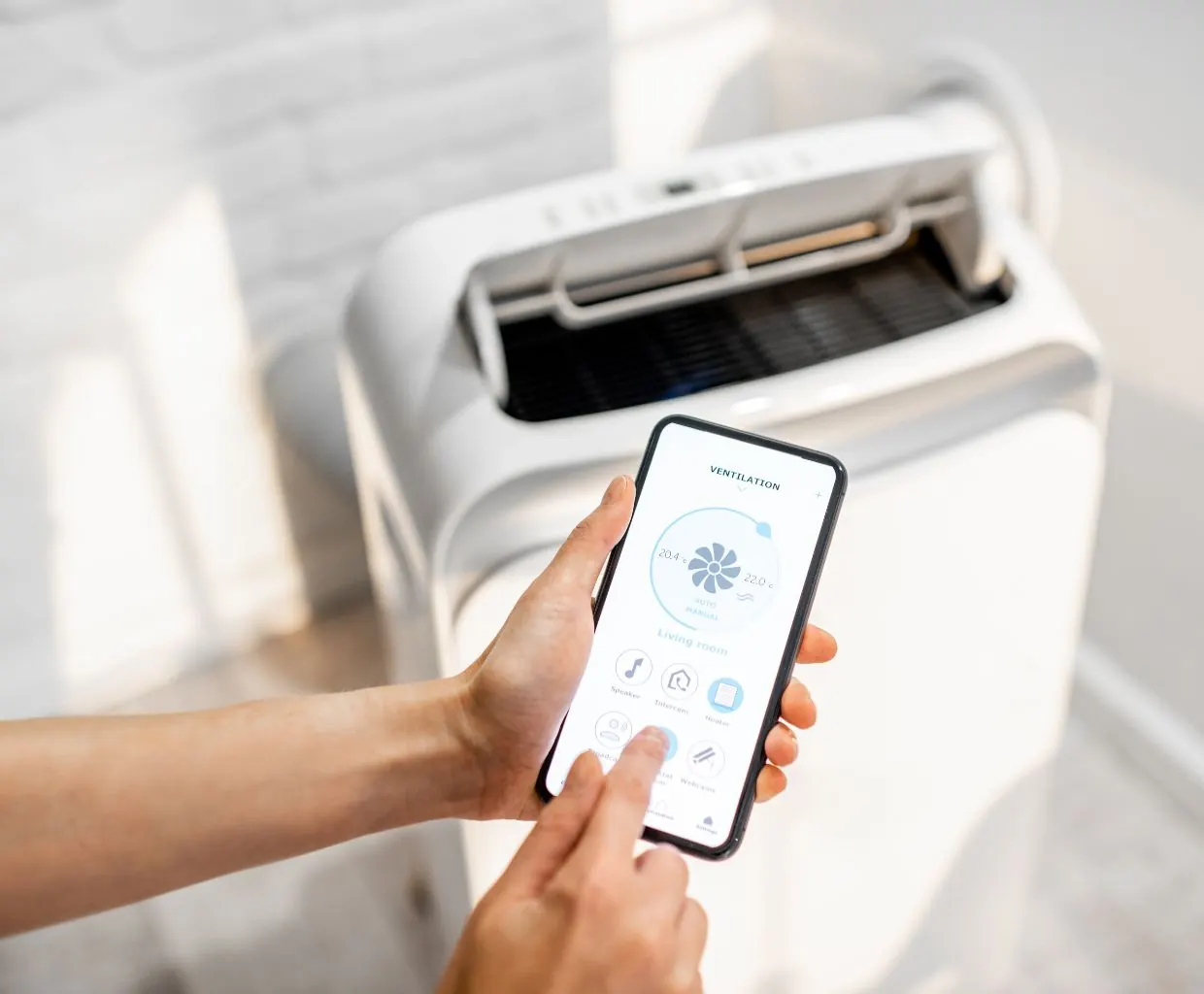
Using an Air Purifier and Humidifier Together: How to Set Them Up
Yes, you can run both in one room. Keep humidity at 50% or below, give each machine its own space, and keep the humidifier clean.
8 min read
Independent air purifier & humidifier guides · specs checked against AHAM, CARB and ENERGY STAR
The best of both for all-around comfort
Air purifier and humidifier combos: what 2-in-1 units do well, how to compare them when CADR or output is missing, where two separate devices are better, and how to run both together.
Combos
Yes, you can run both in one room. Keep humidity at 50% or below, give each machine its own space, and keep the humidifier clean.
8 min read
Combos
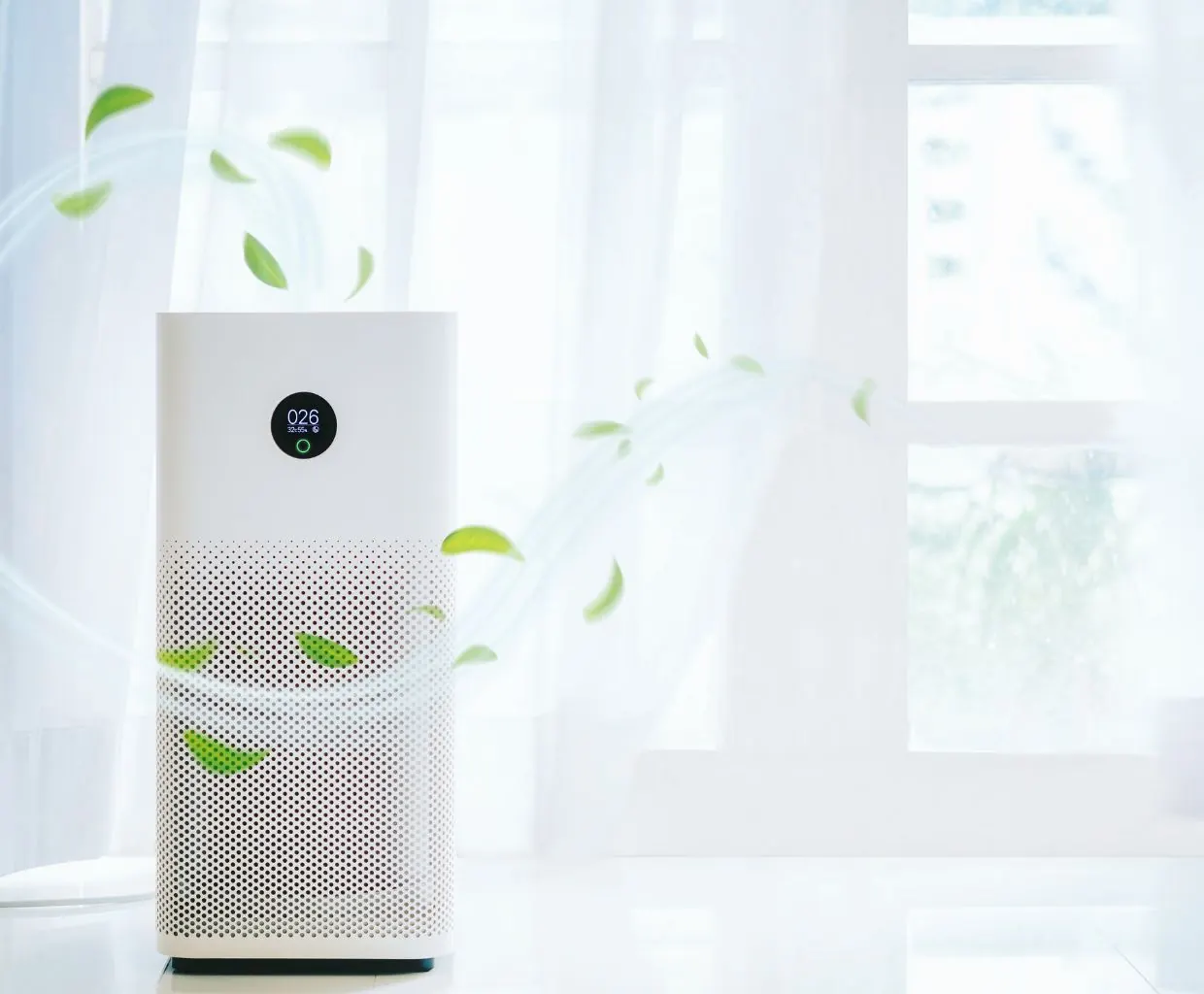
A research-based look at the Dyson PH2 De-NOx: filters, 1-gallon tank, UV-C, Deep clean, the numbers Dyson doesn't publish, and how it compares.
9 min read
Combos
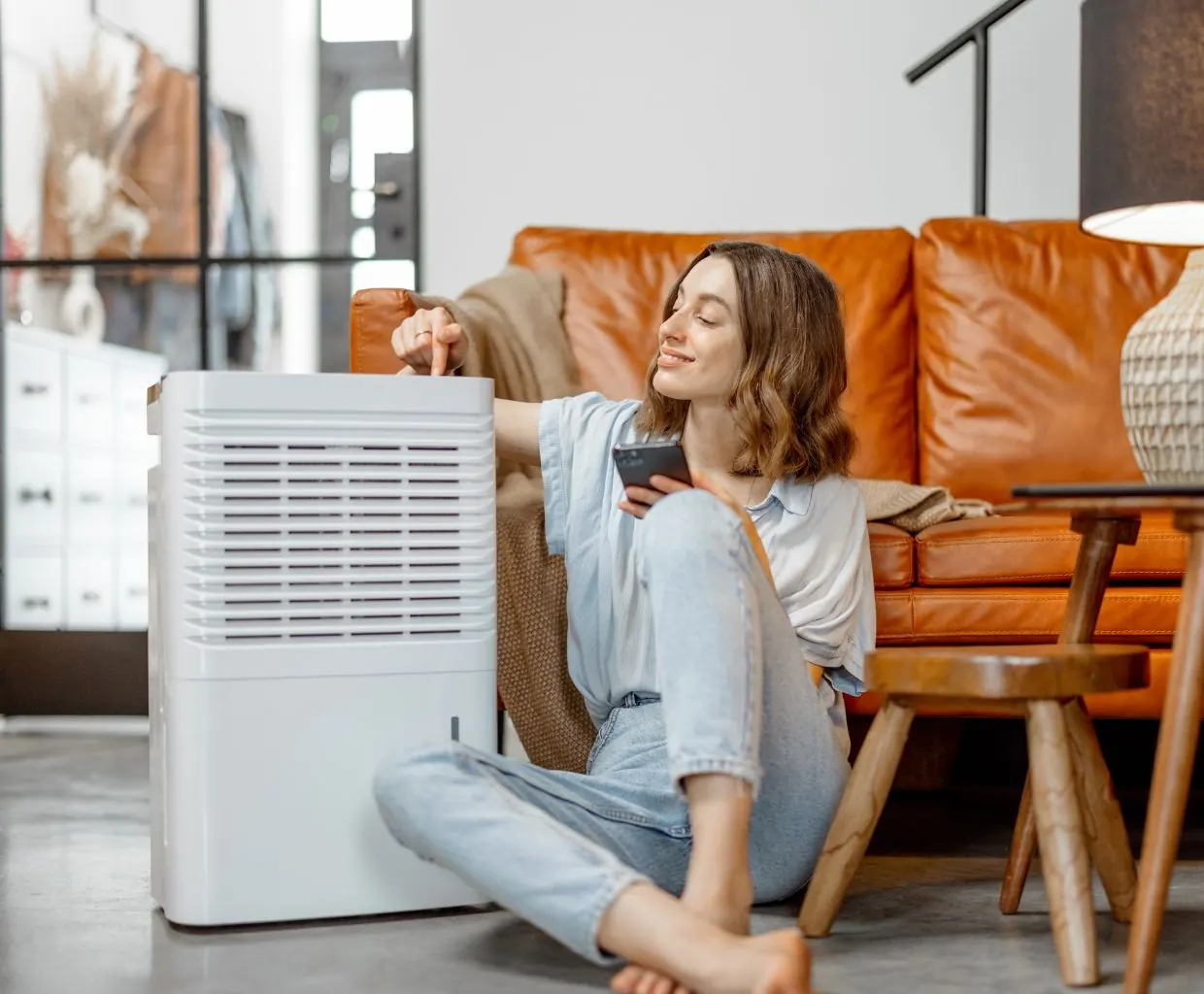
A research-based look at the Sharp KCP110UW purifier-humidifier: AHAM CADR, 538 sq ft, real humidifying output, the small tray, Plasmacluster ions, filters and alternatives.
9 min read
Combos
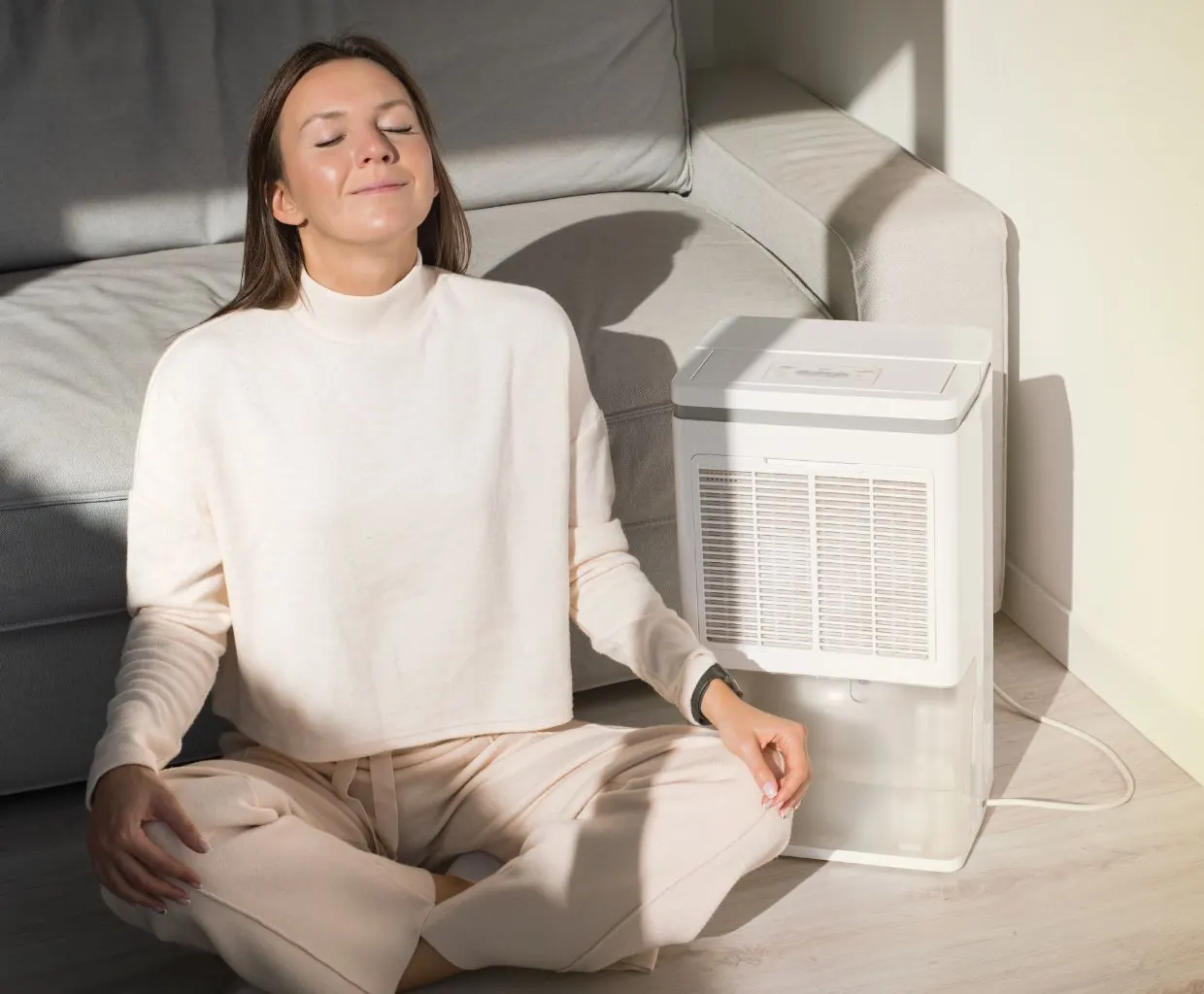
An air purifier removes particles from the air; a humidifier adds moisture. Here's which one helps with allergies, pets, dry air and colds, and how to run both.
7 min read
Combos
Six 2-in-1 units sold in the US that both filter and humidify, with verified CADR where it exists, real humidifier output and the trade-offs.
10 min read
Dry winter air and dusty, smoky or pollen-filled air often arrive together, which is why 2-in-1 machines that purify and humidify are tempting. Before you buy one, it helps to know what each half does, how to compare combos when many of them skip the usual ratings, and when two separate devices make more sense.
An air purifier removes particles: dust, pollen, pet dander, smoke and mold spores, and gases too if it has a substantial carbon filter. A humidifier adds water vapor and does nothing about particles. If you’re not sure which problem you have, start with air purifier vs humidifier, which walks through allergies, dry skin, colds and using both together. If your air feels damp rather than dry, the comparison you need is air purifier vs dehumidifier.
The research behind our best air purifier and humidifier combos turned up a pattern: the purifier half and the humidifier half are often documented very differently.
| Model | AHAM smoke CADR | Water tank | Humidifying output published |
|---|---|---|---|
| Sharp KCP110UW | 347 cfm | about 0.53 gal | Yes, under Japanese JEM1426 conditions |
| Sharp KCP70UW | 255 cfm | not verified | No |
| Blueair 2-in-1 DH3i | 232 cfm | about 0.79 gal (3 L) | No |
| Dyson Purifier Humidify+Cool PH2 De-NOx | not AHAM-rated | 1 gal | No |
| Venta AH902 | not AHAM-rated | 3 gal | No |
| Afloia Kilo Pro | not AHAM-rated | about 0.5 gal (1.9 L) | Yes, 150 mL/h |
Full write-ups, including filters and running costs, are in our best air purifier and humidifier combos guide. Two models have their own overviews: the Sharp KCP110UW, the highest AHAM-rated combo on the list, and the Dyson Purifier Humidify+Cool, which publishes neither an AHAM CADR nor a humidifying output.
In our view, separate units win when the room is large, when allergies, asthma or wildfire smoke are the main concern, or when you want to run the purifier year-round and the humidifier only in winter. Each device can then be sized properly: use the air purifier size calculator for the purifier’s CADR and the humidifier size calculator for its output. You can also place each where it works best; see where to put an air purifier.
Running a separate purifier and humidifier in the same room works well; our guide to using an air purifier and humidifier together covers placement, settings and cleaning. Keep the humidity in range: the EPA says to stay below 60%, ideally 30% to 50%, and not to humidify above 50%. Too much moisture feeds dust mites and mold, the very things many people buy a purifier for. A hygrometer and the ideal indoor humidity guide will keep you in range, and the dew point calculator shows when your windows will start to sweat. Whichever setup you choose, clean the water side regularly: how to clean a humidifier covers the EPA’s daily and every-third-day routine.
It can be, if floor space matters more than performance and the room is modest. Many 2-in-1 units don't publish an AHAM-verified CADR, a humidifying output or both, so they're harder to compare than separate devices. For a large room, allergies or wildfire smoke, two separate units are usually the safer choice.
Yes. They do different jobs: the purifier removes particles and the humidifier adds water vapor. Keep the humidifier's humidity at or below 50%, as the EPA advises, and follow both manuals on clearance from walls and other appliances.
No. A humidifier only changes moisture. Pollen, dander and dust need filtration. The EPA also notes that humidity above 50% encourages dust mites and other biological growth, so a humidifier can make some allergies worse if it's set too high.
We found none on their US sites in October 2026: Levoit and Winix sell purifiers and humidifiers separately, and Coway's US site lists purifiers but no humidifying models. The combos we found on sale in the US come from Dyson, Sharp, Blueair, Venta and Afloia.
Follow the manual. If the humidifying part makes a mist (ultrasonic or impeller), the EPA says it can spread tap-water minerals as white dust and recommends distilled water. Wick-based (evaporative) humidifiers aren't expected to disperse substantial minerals.