Humidifiers
Best Evaporative Humidifiers in 2026: Wick and Disc Models Without White Dust
Six evaporative humidifiers picked from maker specs and manuals, plus how wick humidifiers work and how they compare with ultrasonic models.
11 min read
Add healthy moisture to indoor air
Humidifier guides for dry winter air: the ideal indoor humidity, choosing a humidifier for a large room, which water to use, how to clean it safely, and fixes for leaking, fogging and units that stop misting.
Humidifiers
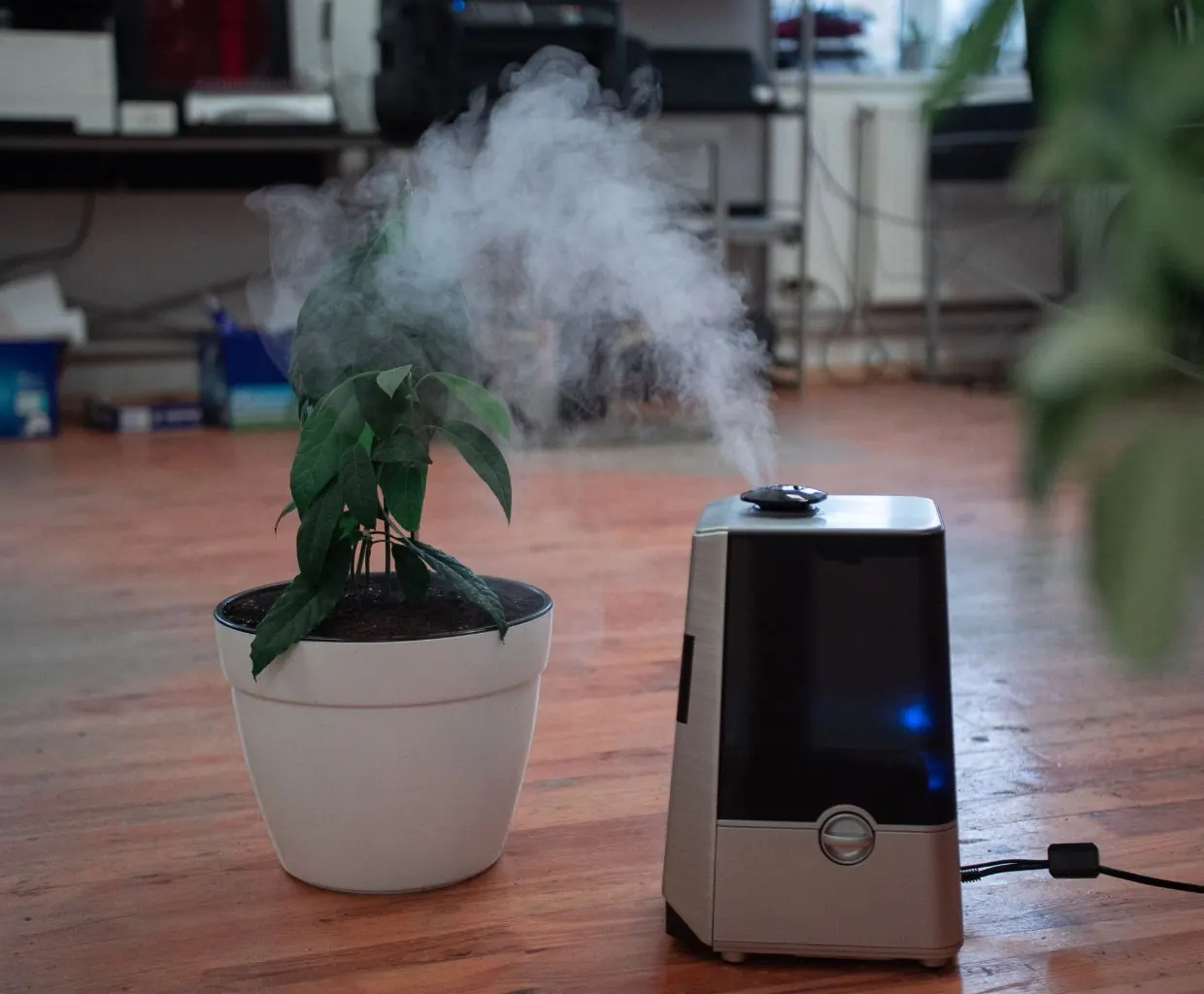
Six evaporative humidifiers picked from maker specs and manuals, plus how wick humidifiers work and how they compare with ultrasonic models.
11 min read
Humidifiers
Four furnace-mounted humidifiers from AprilAire and Honeywell Home, compared by gallons per day, sizing, installation and yearly upkeep.
10 min read

Humidifiers
MedlinePlus, CDC and Mayo Clinic list a clean, cool-mist humidifier as comfort care for a stuffy nose. Here's what it can and can't do, and how to use one safely.
6 min read
Humidifiers
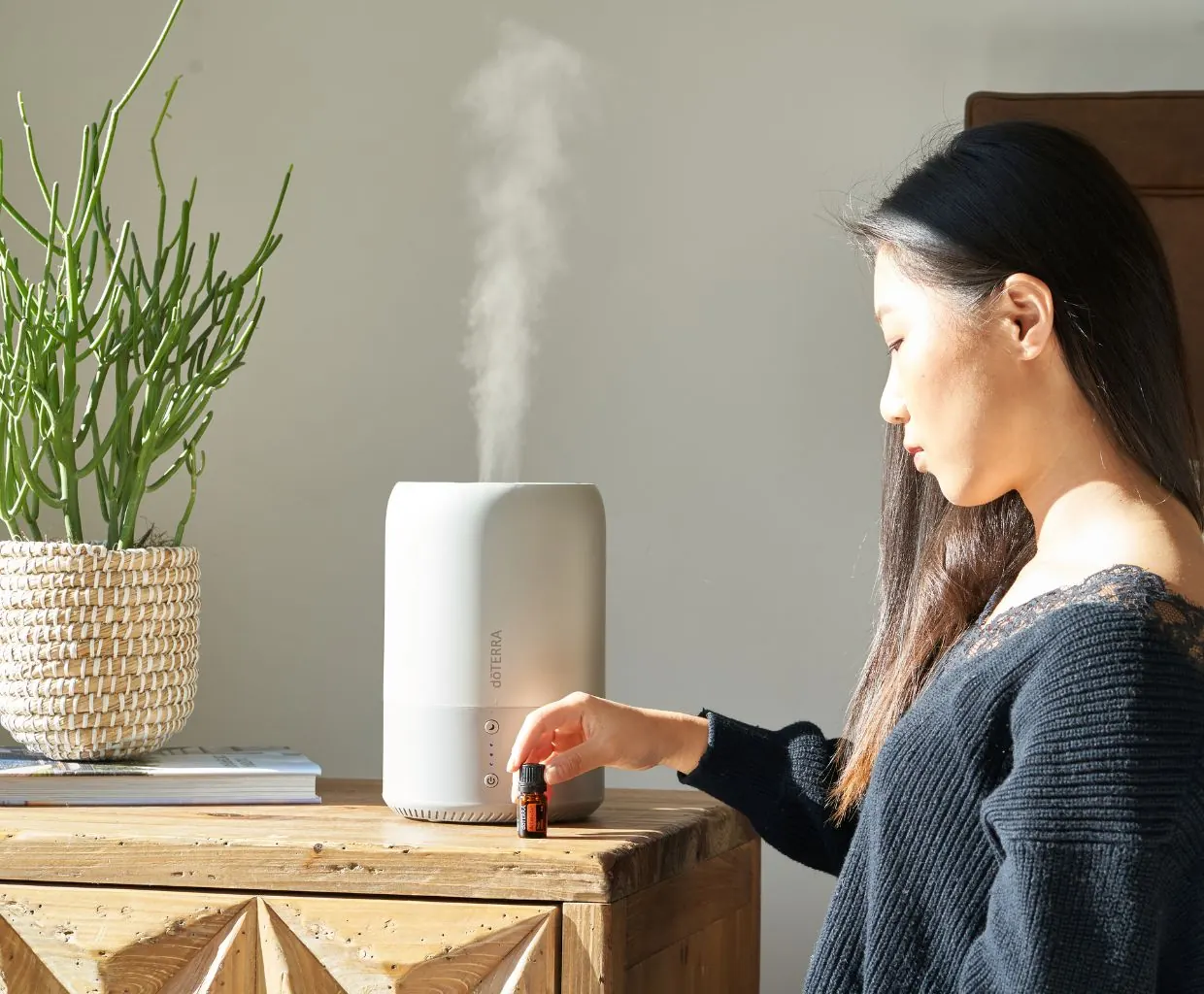
Not in the water tank. Most makers say oils damage the plastic, cause leaks and can void the warranty. Use an aroma pad if your model has one, and mind your pets.
7 min read
Humidifiers
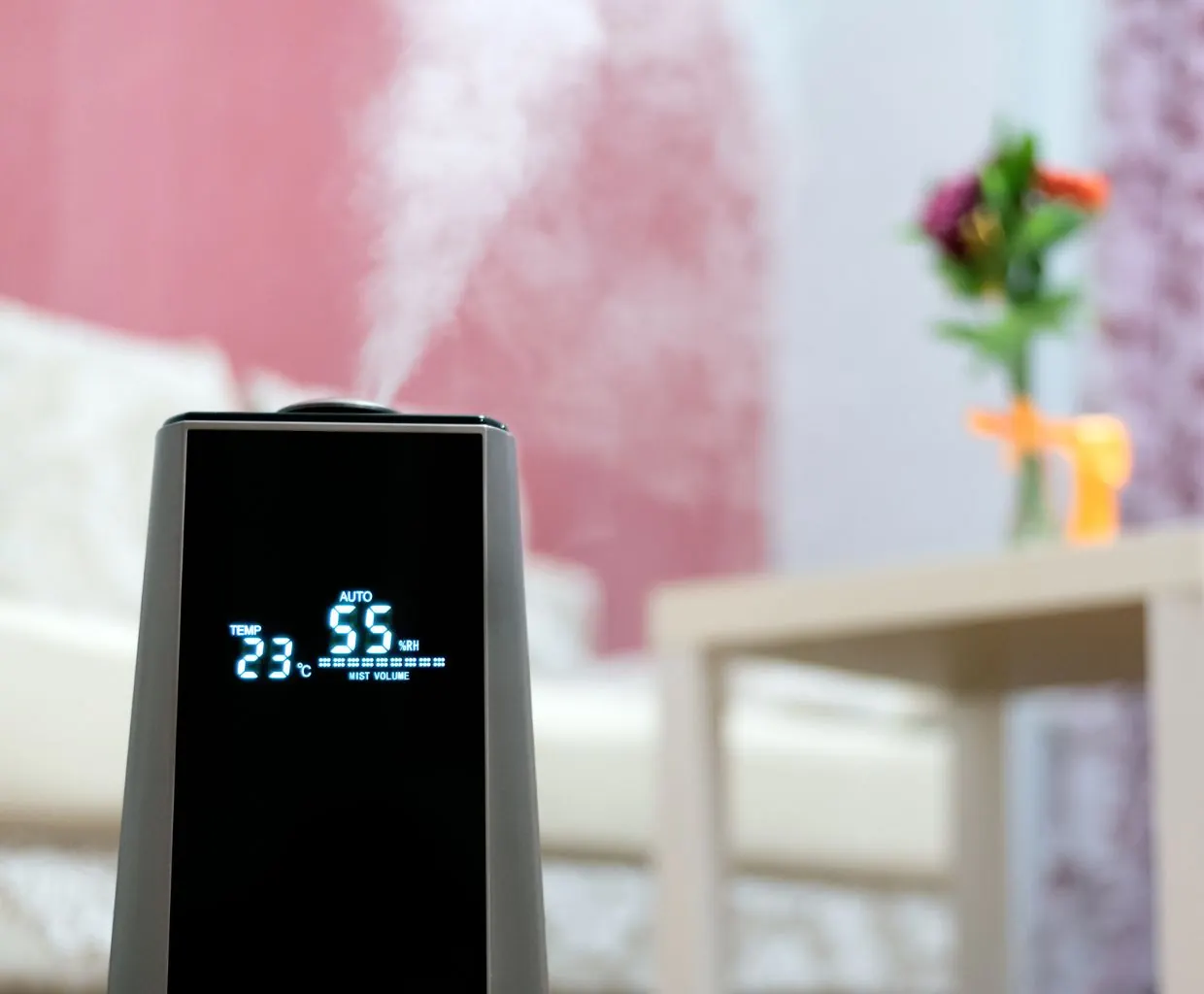
A hygrometer is the easiest way to check indoor humidity. Here is how to choose one, test its accuracy, place it and read the result.
6 min read

Humidifiers
White dust is tap-water minerals thrown into the air by ultrasonic and impeller humidifiers. Here is what the EPA and CPSC say and how to stop it.
7 min read
Humidifiers
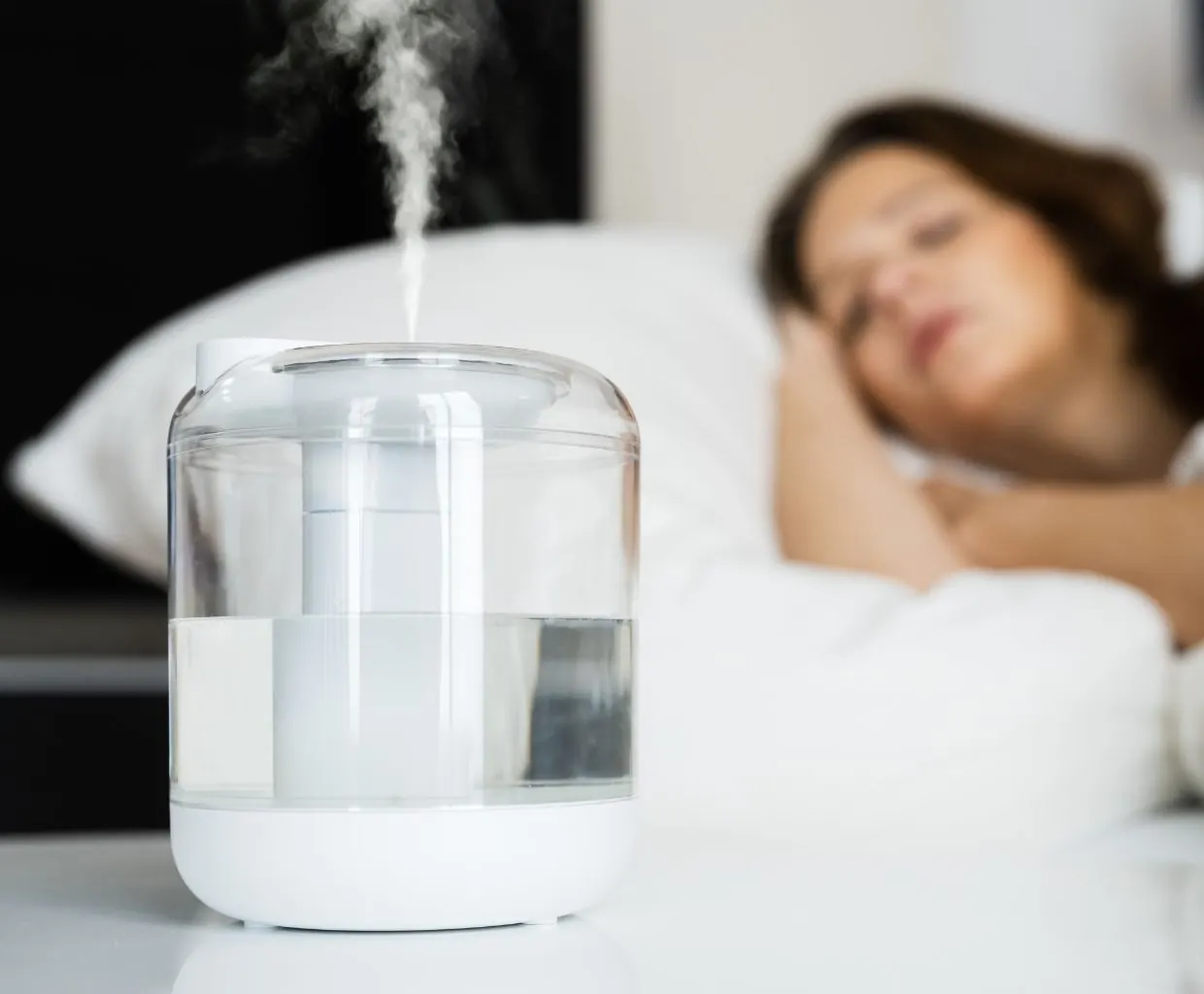
A research-based look at the Levoit OasisMist 1000S ultrasonic tower: 350 mL/h, a 10 L tank, 300 to 600 sq ft, Auto mode, water choice, cleaning and rivals.
8 min read
Humidifiers
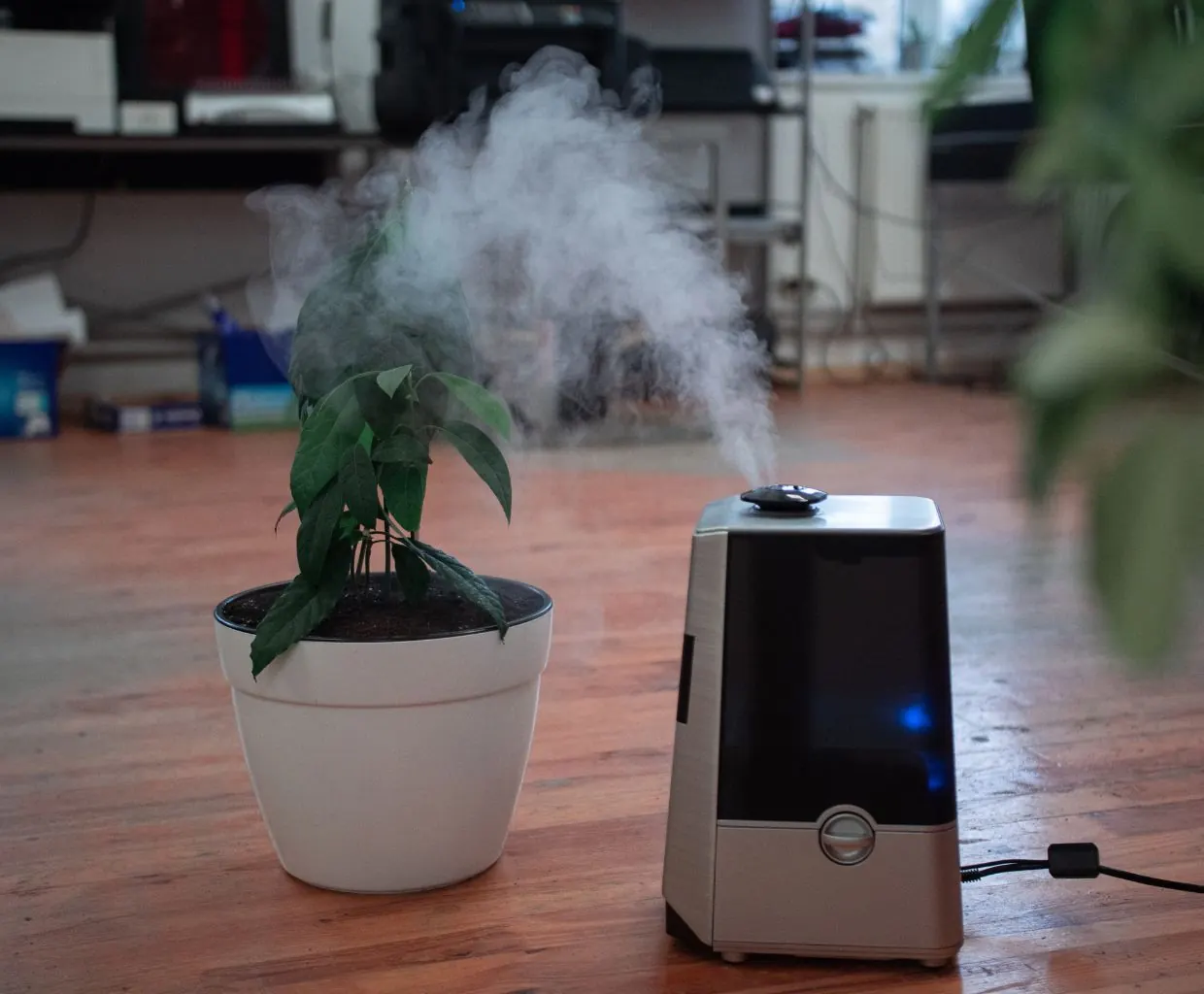
A research-based look at the Levoit Superior 6000S evaporative humidifier: 1,500 mL/h, a 6-gallon tank, the 3,000 sq ft claim, wicks, Auto modes and rivals.
9 min read
Humidifiers
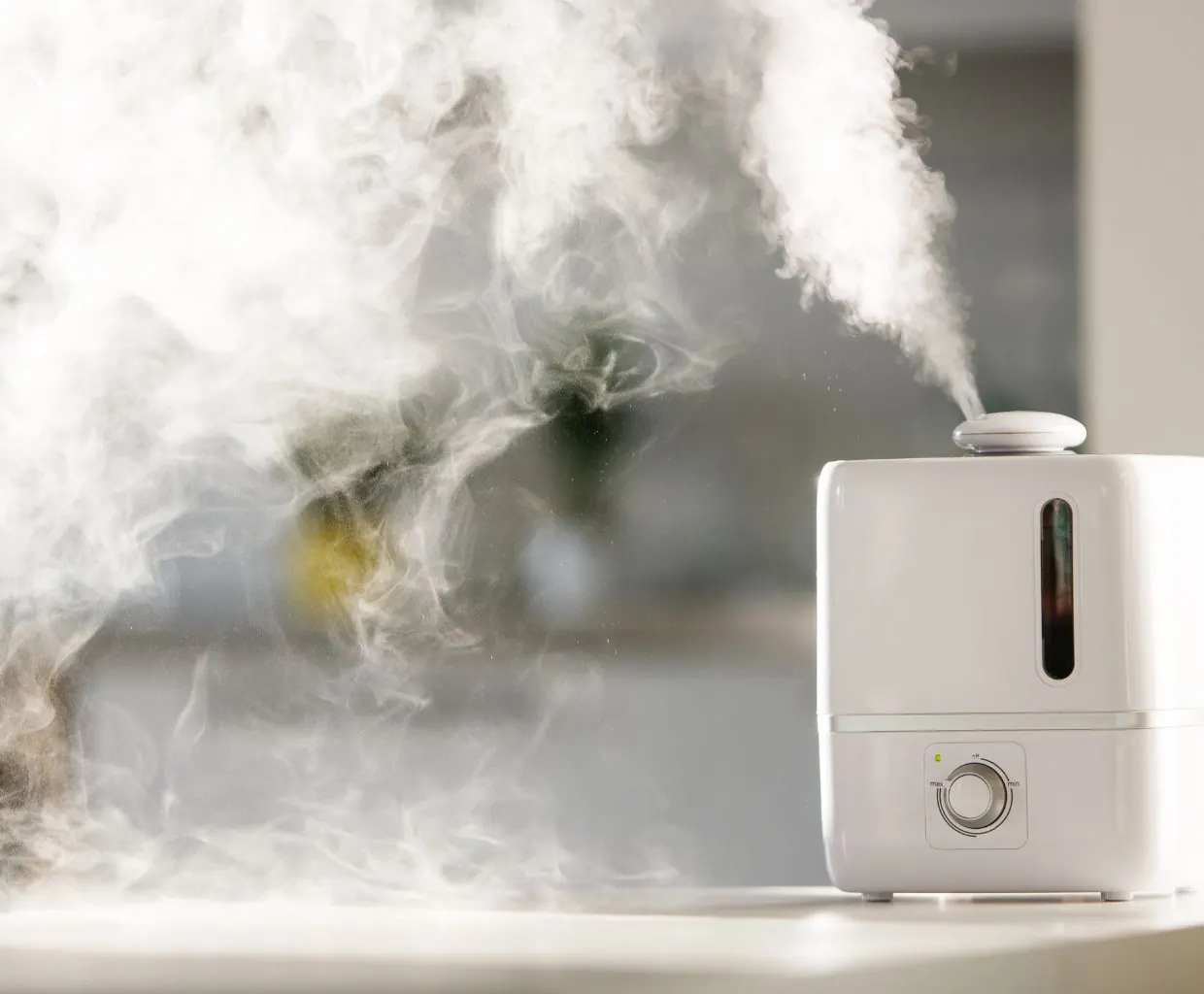
Cool mist is the safer pick for kids and pets and uses far less power. Warm mist puts out little or no white dust from steam. Here's how they compare.
8 min read
Humidifiers
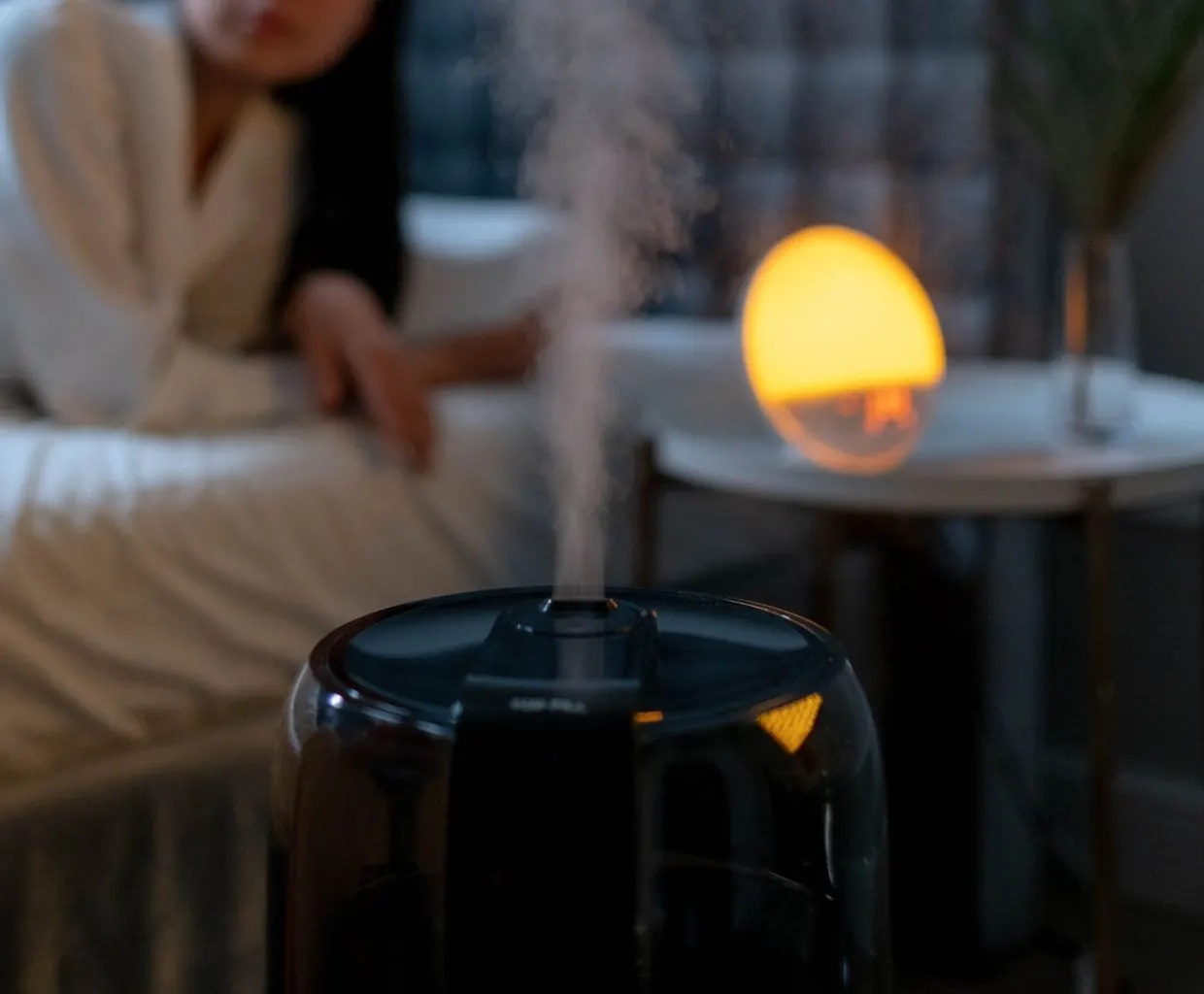
Put it in the room you use most, on a firm, waterproof surface a few feet from the bed, walls and curtains, with the mist aimed into open air. Here's what manuals say.
7 min read
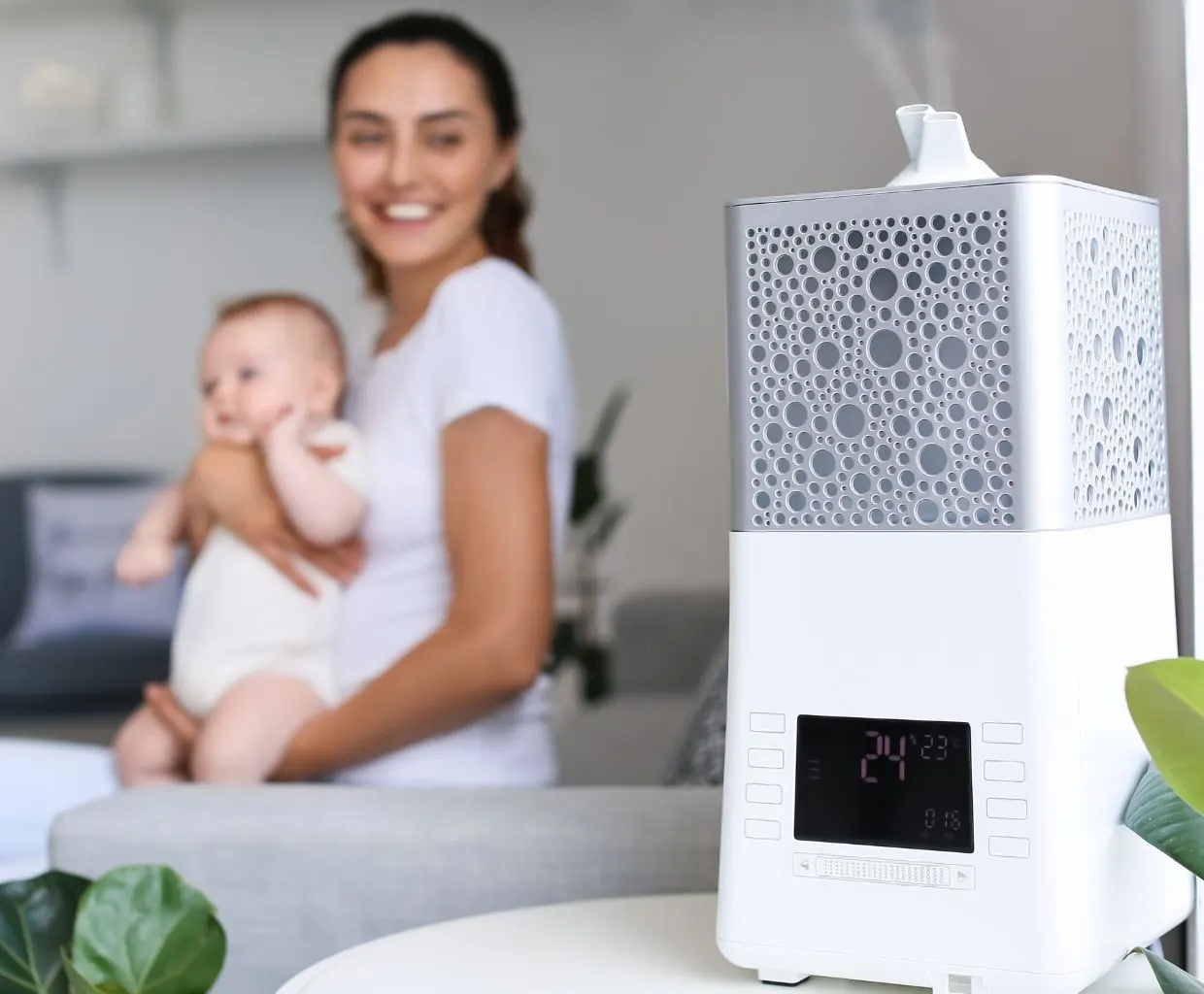
Humidifiers
Four cool-mist and evaporative humidifiers for a nursery, picked from maker specs and manuals, plus the humidity range, water, cleaning and placement rules.
9 min read
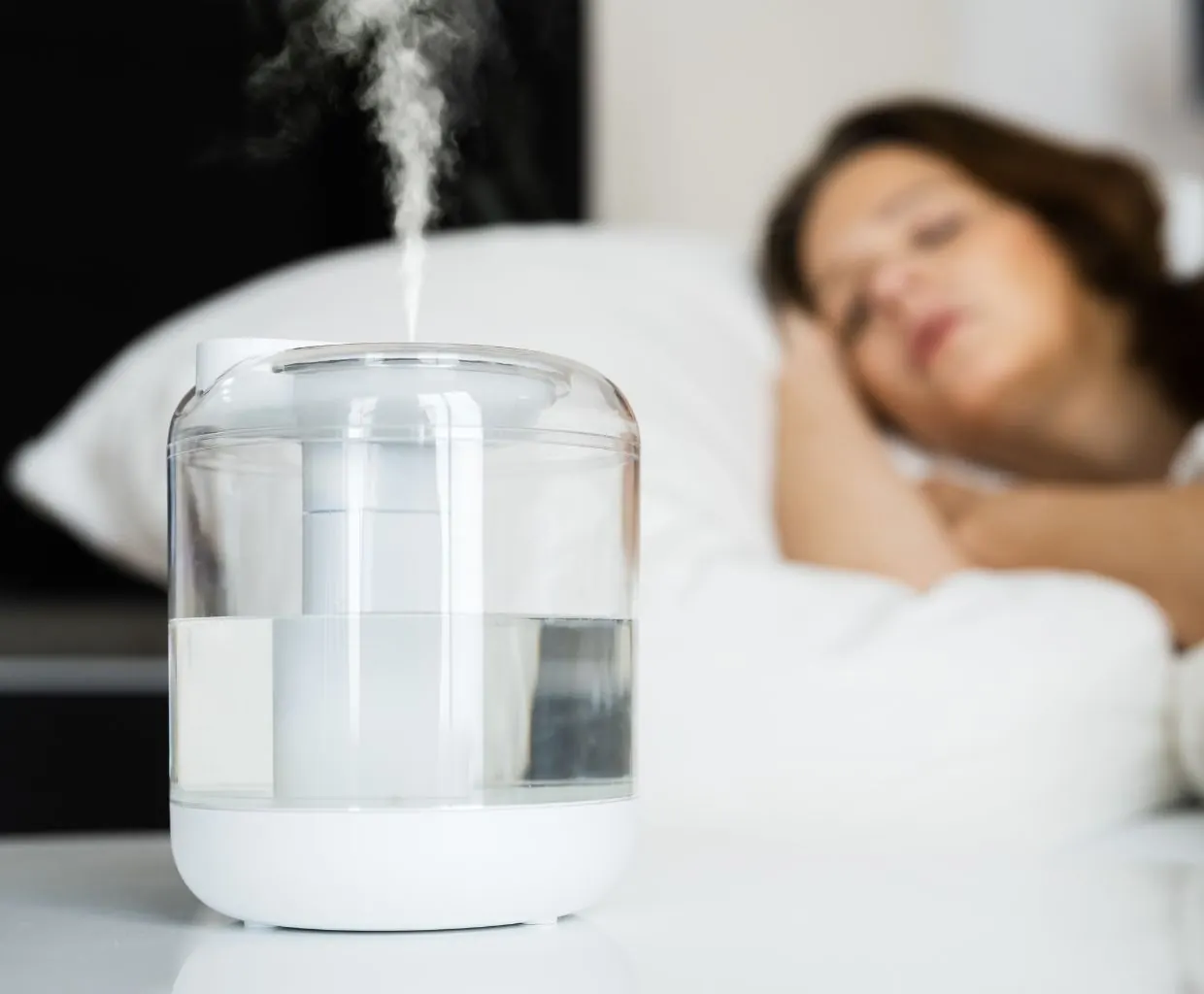
Humidifiers
Six bedroom humidifiers picked from maker specs and manuals: published noise levels, overnight runtime, cool or warm mist, white dust and cleaning.
11 min read
A humidifier adds water vapor to dry indoor air, which matters most in winter, when heated outdoor air ends up far drier than it was outside. Used well, it keeps a room in the comfortable middle range. Used carelessly, it can over-humidify a room, spread minerals as white dust or grow bacteria in its tank. The guides in this section cover both sides, based on EPA, CPSC and MedlinePlus guidance and on manufacturers’ own manuals.
Buy a hygrometer before you buy a humidifier; our guide on how to check humidity in the house explains which kind to get and where to put it. The EPA recommends 30% to 50% indoors and says not to humidify above 50%; in a cold snap, NDSU Extension suggests 30% to 40%, because above about 40% windows and other cool surfaces start to collect condensation. Our guide to the ideal indoor humidity explains how to adjust through the seasons. Two calculators help here: the relative humidity calculator shows why heated winter air gets so dry, and the dew point calculator shows at what humidity your windows will start to fog.
| Type | How it works | Minerals in the air (EPA) | Burn risk |
|---|---|---|---|
| Evaporative | Fan blows air through a wet wick | Not expected to disperse substantial amounts | No |
| Ultrasonic | Vibration makes a cool mist | Among the most; can leave white dust | No |
| Impeller | Spinning disk throws a cool mist | Among the most; can leave white dust | No |
| Steam / warm mist | Heats the water | Not expected to disperse substantial amounts | Yes: keep away from children |
New to all this? Thinking of an essential-oil diffuser instead?
If you already see a fine film on furniture, read what causes humidifier white dust and how to stop it.
A humidifier has to replace the moisture that leaks out with the air, so a leaky house or an open-plan floor needs far more output than a closed bedroom. The humidifier size calculator estimates the gallons per day you need from your room, your current and target humidity and how airtight the home is. For specific models, compare the best humidifier for a bedroom, the best humidifier for a large room and, for a furnace-mounted system, the best whole house humidifier; single-model overviews cover the Levoit Superior 6000S and the Levoit OasisMist 1000S, and read how long it takes for a humidifier to work before deciding a unit is too small.
Where the humidifier sits affects how well it works and whether it leaves damp patches: off the floor, away from walls, wood furniture and electronics, and a few feet from the bed. Where to put a humidifier covers each room. Growing tropical houseplants? Thinking of adding a scent? Read about essential oils in a humidifier first: many manuals forbid it, and some oils are a concern for pets.
The CPSC found that bacteria and fungi often grow in humidifier tanks and can be released in the mist, and that mineral scale gives them a surface to grow on. The EPA’s routine is simple: empty, wipe dry and refill every day, and clean portable units every third day. Our step-by-step guide on how to clean a humidifier covers vinegar descaling and disinfecting, and what kind of water to use in a humidifier explains distilled vs tap vs filtered water.
Tip: If a humidifier leaves a damp patch around it, condensation on windows or a haze in the air, it’s putting out more than the room can take. Turn it down or use its humidistat.
For a nursery, the best humidifier for a baby covers cool-mist models, placement away from the crib and cleaning. If you have pets, read are humidifiers safe for dogs, including why essential oils don’t belong in a humidifier around animals. And for colds and stuffy noses, does a humidifier help with congestion summarizes what health sources say. A humidifier can make dry air more comfortable, but it isn’t a treatment: talk to your doctor about symptoms that don’t go away.
If your hygrometer reads above 50% most of the time, you need the opposite: see how to reduce humidity in the house and condensation on windows. Not sure which way your home leans?
The EPA recommends keeping indoor humidity between 30% and 50% and says not to humidify above 50%. MedlinePlus suggests setting a humidifier to 40% to 50%. In very cold weather, NDSU Extension recommends 30% to 40% because windows start to collect condensation above about 40%.
For homes with children, MedlinePlus advises always using a cool-mist humidifier because warm-mist units can cause burns, and the EPA says to keep steam vaporizers out of children's reach. The EPA says steam and evaporative units aren't expected to disperse substantial minerals, while ultrasonic and impeller units can leave white dust.
Check your manual. The EPA says ultrasonic and impeller humidifiers spread tap-water minerals into the air as white dust and recommends water labeled 'distilled'. Minerals also form scale, which gives bacteria and mold a place to grow.
The EPA says to empty the tank, wipe it dry and refill it every day, and to clean portable units every third day, removing scale and film. Follow the manufacturer's instructions; if there are none, the EPA suggests a 3% hydrogen peroxide solution for surfaces that touch water.
It depends on the space, how leaky the home is and how big a humidity jump you want. A 12 x 15 ft bedroom typically needs well under a gallon a day, while a whole 2,000 sq ft floor can need several gallons. Our humidifier size calculator works out your number.